54 albums · 1971–2022
Music of Japan, from Happy End and YMO to city pop, Shibuya-kei and today


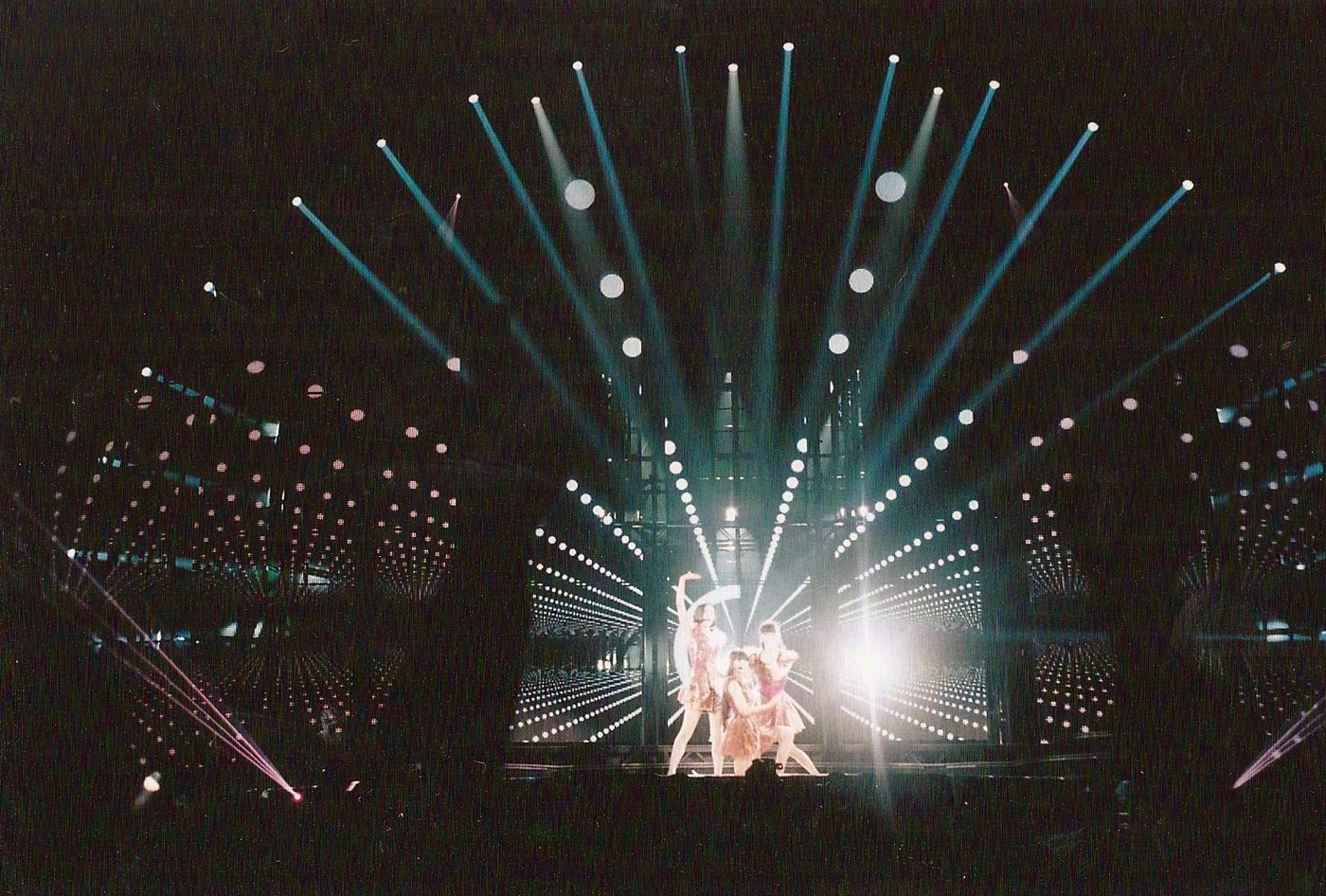


Japan's popular music has a stage of its own, the Nippon Budokan, and a studio tradition that runs from Hibari Misora's enka through Happy End's Kazemachi Roman, Haruomi Hosono, Yumi Arai and Yosui Inoue, the city pop of Taeko Onuki, Eiichi Ohtaki and Mariya Takeuchi, Yellow Magic Orchestra and Ryuichi Sakamoto, Southern All Stars, RC Succession and Boøwy, X Japan's metal, the Shibuya-kei of Flipper's Guitar, Pizzicato Five and Cornelius, Fishmans, Number Girl and Supercar, Sheena Ringo and Hikaru Utada, Nujabes, Boris, Mono and toe, Perfume and Kyary Pamyu Pamyu, Babymetal, Kikagaku Moyo and Ichiko Aoba, the jazz of Toshiko Akiyoshi and Hiromi, to Kenshi Yonezu, Fujii Kaze, Yoasobi and Ado today. The list has 54 records from 1971 to 2022, one or two by each of the names above and only a small part of what they made; Tatsuro Yamashita, Mr. Children, The Blue Hearts and Namie Amuro are missing because Deezer does not have them, and gagaku and the old court and theatre music, most of the classical tradition beyond Ozawa's Takemitsu, idol pop beyond a nod to Seiko Matsuda, enka beyond Hibari and the anime scores would each need a list of their own. About 46 hours of music, 5 days of a few records each.
By genre
- Rock 21%
- Pop 16%
- Electronic 8%
- Other 55%
The genres named most: japanese, pop, rock, electronic, jazz, ambient.
The colours of the covers
A stripe for each cover, in the colour Tidal picks from it, sorted by hue; the greys at the end.
Where the music comes from
Music from 1 country: Japan 54. The deeper the colour, the more albums: one, two to four, five to nine, ten and more.
The 1970s
Blues CreationCarmen Maki · 1971
Kazemachi RomanHappy End · 1971
Kōri no SekaiYosui Inoue · 1973
Hikōki-gumoYumi Arai · 1973
KurofuneSadistic Mika Band · 1974
KogunToshiko Akiyoshi · 1974
SunshowerTaeko Onuki · 1977
ParaisoHaruomi Hosono · 1978
Thousand KnivesRyuichi Sakamoto · 1978
CasiopeaCasiopea · 1979
Solid State SurvivorYellow Magic Orchestra · 1979
The 1980s
Gohan ga Dekita yoAkiko Yano · 1980
PleaseRC Succession · 1980
A Long VacationEiichi Ohtaki · 1981
BGMYellow Magic Orchestra · 1981
The Eternal SongsHibari Misora · 1982
Music for Nine Post CardsHiroshi Yoshimura · 1982
PineappleSeiko Matsuda · 1982
VarietyMariya Takeuchi · 1984
KamakuraSouthern All Stars · 1985
Beat EmotionBoøwy · 1986
Bellissima!Pizzicato Five · 1988
Blue BloodX Japan · 1989
The 1990s
Camera TalkFlipper's Guitar · 1990
Takemitsu: November StepsSeiji Ozawa · 1990
HachimitsuSpitz · 1995
Kūchū CampFishmans · 1996
Long SeasonFishmans · 1996
Pulse DemonMerzbow · 1996
FantasmaCornelius · 1997
Brand New KnifeShonen Knife · 1997
Three Out ChangeSupercar · 1998
First LoveHikaru Utada · 1999
School Girl Distortional AddictNumber Girl · 1999
Ryo Fukui in New YorkRyo Fukui · 1999
Muzai MoratoriumSheena Ringo · 1999
The 2000s
Sol-faAsian Kung-Fu Generation · 2004
KyōikuTokyo Jihen · 2004
PinkBoris · 2005
Modal SoulNujabes · 2005
The Book About My Idle Plot on a Vague Anxietytoe · 2005
Super Roots 9Boredoms · 2007
GamePerfume · 2008
Hymn to the Immortal WindMono · 2009
The 2010s
Pamyu Pamyu RevolutionKyary Pamyu Pamyu · 2012
BabymetalBabymetal · 2014
AliveHiromi · 2014
BootlegKenshi Yonezu · 2017
asyncRyuichi Sakamoto · 2017
Masana TemplesKikagaku Moyo · 2018
The 2020s
Help Ever Hurt NeverFujii Kaze · 2020
Windswept AdanIchiko Aoba · 2020
The BookYoasobi · 2021
KyōgenAdo · 2022